Webisode Season 2
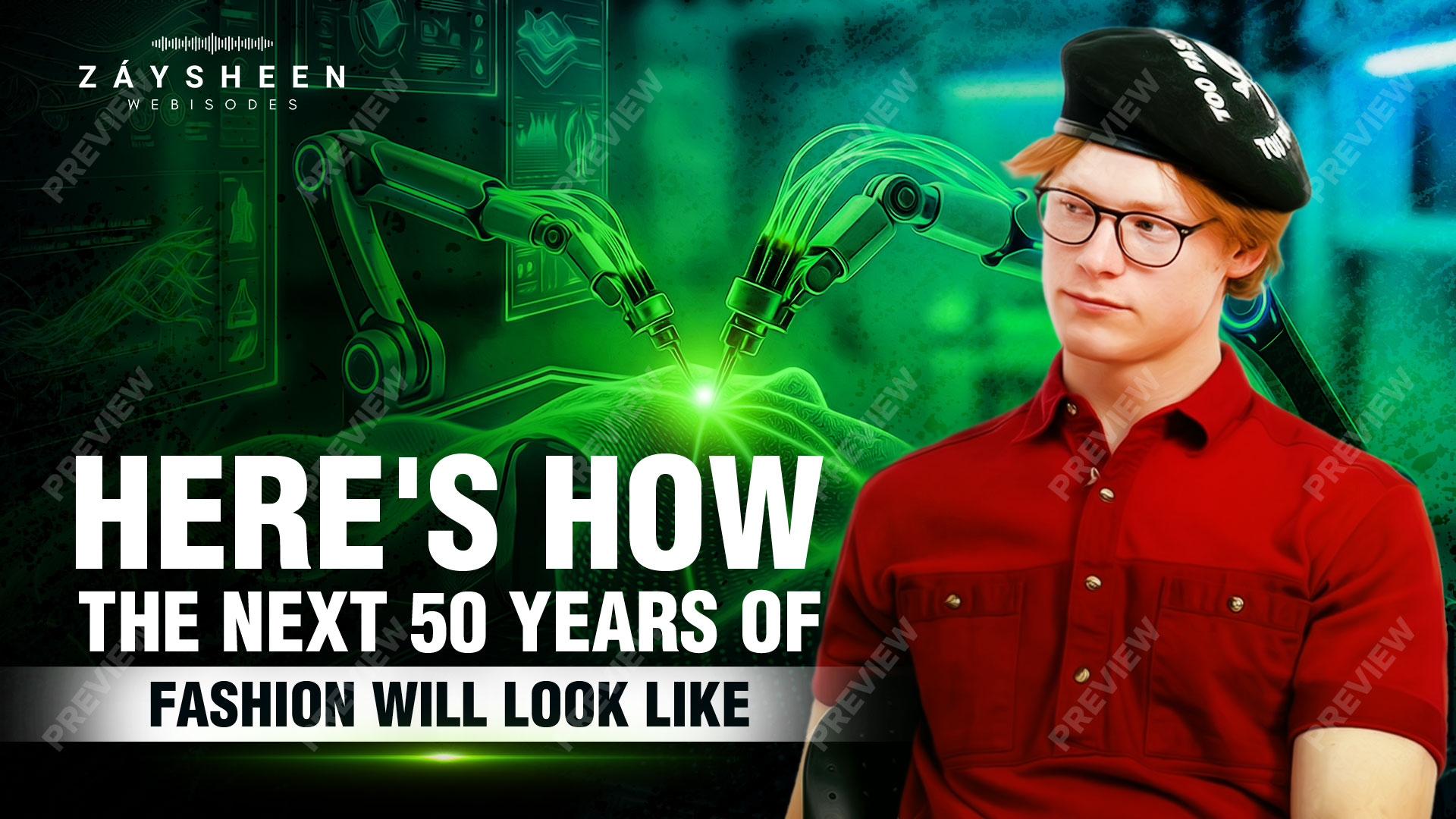
The conversation explores the slow pace of technology adoption in the fashion industry, highlighting how designers have been using the same tools for years and the implications for the industry’s evolution.
Takeaways
In the ever-evolving world of fashion, few voices stand out quite like Jack Wiese, the founder and CEO of On The Bias. With a rich background in the fashion industry, Jack brings a fresh perspective on how to reshape it toward a more sustainable, efficient future. In this blog post, we will explore Jack’s journey from selling vintage clothes to leading a company that aims to innovate the fashion supply chain.
Jack's journey into the fashion realm began in high school when he started selling vintage clothes. This experience was not just a way to earn extra cash; it was a crucible for learning. Jack reflects, "I was making more money doing vintage stuff than at my job." His early foray into fashion allowed him to refine his taste and understand the nuances of garment trends and cycles. Growing up in Iowa, he had a front-row seat to the emergence of various trends, particularly the workwear trend, which he noted originated in vintage styles before they reached mainstream fashion.
After several years of refining his skills, Jack founded On The Bias, a company dedicated to transforming the fashion industry. His mission? To fundamentally redesign how fashion operates, focusing on a more cohesive and efficient production process. Jack explains, "We're all about doing things differently... trying to make the whole process as cohesive as possible." This innovative approach aims to address issues such as overproduction and inefficient design that plague the current fashion landscape.
Jack's journey offers valuable lessons for aspiring fashion entrepreneurs. One significant takeaway is the importance of understanding the market before launching a product. As he noted, "A lot of people are kind of just guessing on things, which is fun... but it results in a lot of things that people don't actually want." By focusing on what consumers truly desire, designers can create products that resonate with their audience.
As Jack honed his skills selling vintage clothes, he began to feel the urge to create his own garments. "I kind of wanted to do something like this, or why isn't this out there?" he recalls. This led him to start making clothes in his basement, where he learned fundamental skills in technical design and brand building. He stresses the importance of hands-on experience, stating, "Everything's a learning experience."
Reflecting on his early days, Jack emphasises the value of solitary creation in developing a unique voice. "Being forced to do things in a solitary space kind of forced me to develop a unique voice," he explains. This perspective is particularly relevant for new designers who may feel overwhelmed by the competitive fashion landscape. Jack advocates periods of solitary creation, where one can design without external influences, fostering true originality.
Jack Wiese's story is a testament to the power of experience, creativity, and innovation in the fashion industry. Key takeaways from our conversation include:
As we look to the future of fashion, the insights from leaders like Jack Wiese will play a critical role in shaping a more sustainable and innovative industry.

If you care about fashion with meaning, conscious living, and real voices making real impact, you’re in the right place.
ZÁY SHEEN Webisodes continues to grow into a dynamic global community. Whether you’re a brand, creator, educator, or conscious consumer, you’re part of this journey.
Together, we’re building a world where sustainability is not just a choice, but a way of life.
Receive updates, new episodes, behind-the-scenes content, and sustainability insights.