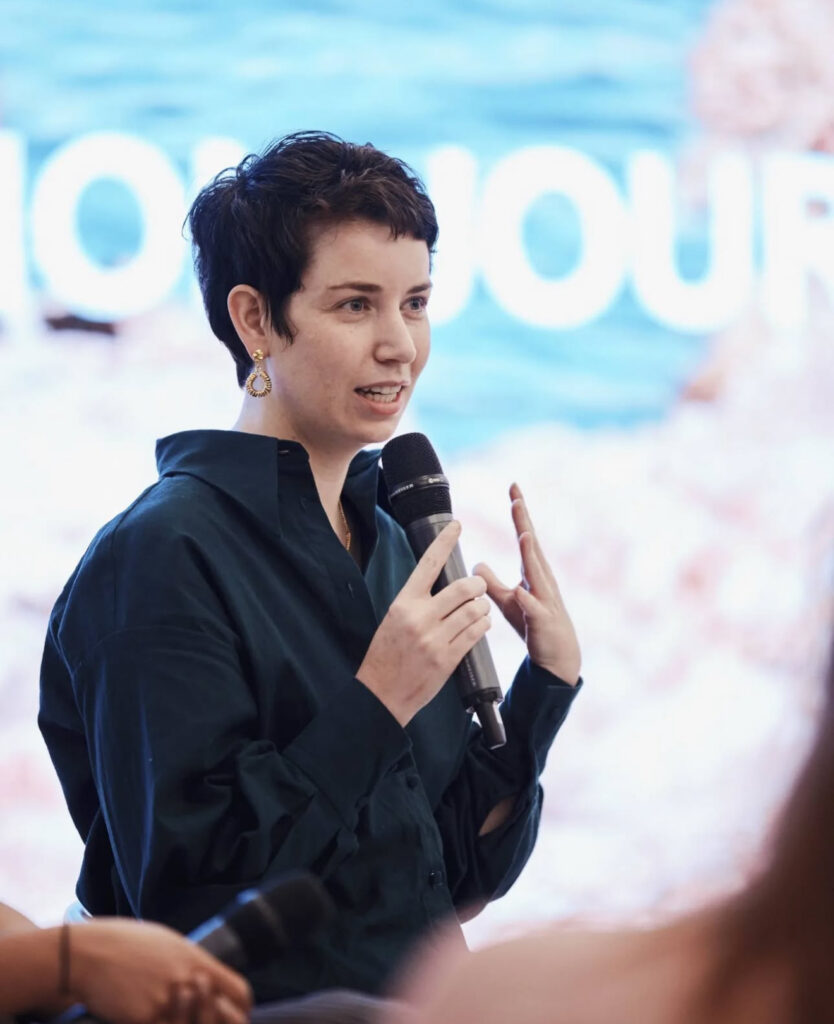
Isabella Zeuch

Sustainable Fashion Advocate | Influencer

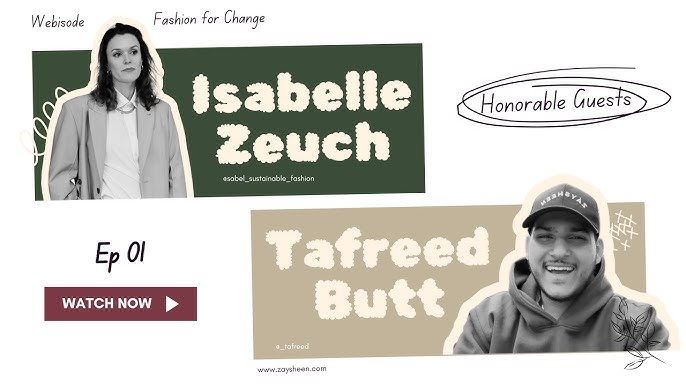
Webisode 1

Fashion for Change

Summary:

This episode of Fashion for Change features an honest and heartfelt conversation between Izzy and Tafreed about sustainability, personal values, and the emotional journey that led them both away from fast fashion. They dive into how childhood experiences, conscious upbringing, and disappointing encounters with cheaply made clothing sparked their commitment to ethical fashion. Together, they explore the hidden costs of fast fashion, from wasted time and money to the emotional toll and human impact on underpaid workers. 

Tafreed shares how his early years in Thailand and his exposure to unethical production opened his eyes to the realities of the industry, inspiring him to transition from simply selling clothes to building a purpose-driven brand centered on sustainability and dignity. The conversation highlights repurposing, mindful consumption, and choosing clothing that respects both people and the planet. Ultimately, their discussion amplifies the idea that meaningful change in fashion begins with awareness, responsibility, and the courage to choose better.

Read More
Fashion for Change:

A Conversation That Redefines
What Clothing Really Means

Sustainable fashion is more than a trend. It is becoming a movement shaped by people who care about the world, the workers who make our clothes, and the stories behind every garment. In a recent episode of Fashion for Change, Izzy and Tafreed sat down for an open and honest conversation that reveals why conscious fashion matters and how personal experiences can spark a lifelong mission for change.

Both hosts grew up in environments where repurposing clothing was normal. Old shirts were used to clean cars or mop floors, and nothing went to waste. At the time, they did not call it sustainable living. They simply lived a lifestyle rooted in responsibility and gratitude. Only later did they realize how valuable these habits were in a world filled with throwaway fashion.

Their stories highlight how family traditions often teach sustainability long before we use the word.

Tafreed shared a moment that changed the way he looked at clothing forever. He once bought a basic white T-shirt from a fast fashion brand. It looked good on the rack, felt decent, and cost less than ten euros. After the first wash, the shirt shrank, twisted, and became completely unusable. He never had the chance to wear it.

He explained that the real cost was not just the money he spent. It was a waste of time, energy and trust. Someone worked hard to make that shirt. Yet it ended up in the trash within days. That experience opened his eyes to the emotional and ethical cost of cheap clothing.

For both Izzy and Tafreed, sustainability is not only about fabric, water usage, or recycling. It is also about the people who make our clothes. Many garment workers in countries like Bangladesh, Pakistan, and Nepal earn far below a living wage. They often work long hours in unsafe environments to produce inexpensive clothing that sells in the West.

Tafreed’s own background in Thailand gave him firsthand experience with this reality. He met workers who did not receive fair wages and saw clothes produced with little regard for quality or ethics. It was this environment that pushed him to say no to fast fashion and to start building something better.

The conversation explores how polyester, microplastics, and low-quality fabrics continue to harm the planet. Even recycled polyester releases microplastics when washed. This creates a cycle of pollution that never truly ends. Izzy and Tafreed encourage consumers to think carefully before buying and to choose natural, long-lasting materials whenever possible.

They also remind listeners that most people already have enough clothes. Instead of buying impulsively, we should ask ourselves if we truly need something. Wanting and needing are two very different things. Conscious consumption begins with honesty.

Before entering the sustainable fashion world, Tafreed was simply someone who loved clothing. He sold apparel in Thailand and enjoyed building a business. The shift came when he learned the truth about unethical production and the impact of fast fashion on workers and the environment. His desire to fix what he saw led him into the second phase of his journey, where sustainability became the core of his mission.

Today, his focus is on creating clothing that lasts, respects people, and treats the planet with care.

The episode highlights a powerful message. Change begins with awareness. It grows through conversation. And it becomes real when brands and consumers choose ethical production, fair wages, and quality materials.

Fashion lasts longer when it is made with intention. The world becomes cleaner when we buy less and use what we already have. And the industry becomes fairer when we think about the hands behind every stitch.

Fashion for Change is not just a podcast. It is a reminder that style can be beautiful without harming people or the planet. With voices like Izzy and Tafreed, the movement continues to grow, inspiring listeners to choose better, live consciously, and support fashion that values humanity.

Top Viewed Guest

Our Top Viewed Guests Webisodes Ever!

Julia Van Almsick

Sustainable Style Expert | Up-cyclist

Tyler Chanel

Ethical | Sustainability | Thrifter

Isabella Zeuch

Fashion Advocate | Influencer

Jenna Flood

Slow Fashion Advocate | Speaker

Subscribe and be part of the movement.

If you care about fashion with meaning, conscious living, and real voices making real impact, you’re in the right place.

It’s a lifestyle. A mindset. A story worth telling.

Join the movement

ZÁY SHEEN Webisodes continues to grow into a dynamic global community. Whether you’re a brand, creator, educator, or conscious consumer, you’re part of this journey.
Together, we’re building a world where sustainability is not just a choice, but a way of life.

Subscribe Newsletter

Receive updates, new episodes, behind-the-scenes content, and sustainability insights.

Success

Thank you! Form submitted successfully.

This field is required
Scroll to Top