Nick Portello
Designer | Content Creator | Up-Cylist
Webisode 3
Top Guests Webisodes
Subscribe and be part of the movement.
If you care about fashion with meaning, conscious living, and real voices making real impact, you’re in the right place.
Subscribe Newsletter
Receive updates, new episodes, behind-the-scenes content, and sustainability insights.
Fashion That Feels Like You
Summary:
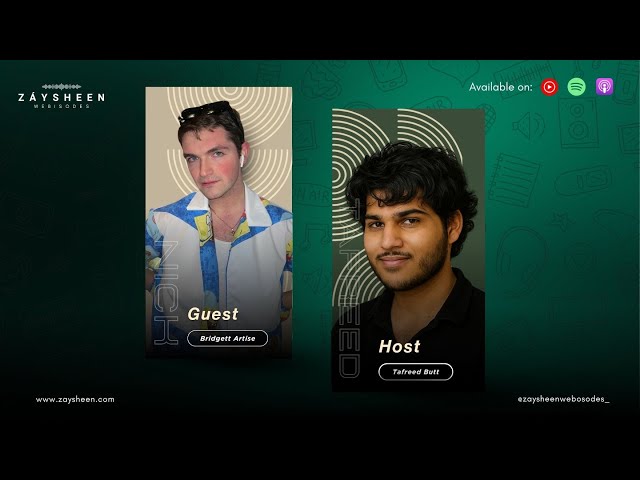
In this episode of ZÁY SHEEN Webisodes, Tafreed sits down with 23-year-old Long Island designer and content creator Nick Portello to talk about authentic style, creativity, and what it really means to dress sustainably. Nick shares how watching Project Runway as a kid sparked his passion for design, how he taught himself to sew during lockdown, and how he now creates bold, whimsical pieces from upcycled materials like curtains, bed sheets, air bags, and pool floats found at local liquidation bins. He contrasts his everyday “cool dad” thrifted style with the dramatic alter ego he channels through looks he wears to New York Fashion Week, Halloween, and even his own DIY Met Gala outfit. Together, Nick and Tafreed dive into the harms of fast fashion, from unfair labor and water waste to stolen designs and micro trends that encourage overconsumption, and they highlight practical alternatives like thrifting, clothing swaps, rentals, and buying only what you truly need. Tafreed also opens up about the family-rooted story behind ZÁY SHEEN, its evolution from his mother’s cooking channel to a fully sustainable fashion brand with ethical production and biodegradable packaging. The conversation closes with a reminder that fashion should be fun, personal, and value-driven, inviting listeners to set their own trends, dress for themselves, and use style as a conscious form of self-expression.
Nick on Authentic Style and Ethical Design
Fashion does not have to be perfect to be powerful. It has to feel like you.
In this ZÁY SHEEN Webisodes conversation, Tafreed sits down with Long Island-based designer and content creator Nick Portello, who turns discarded materials into vivid, story-filled outfits. Together, they explore how style can be playful, political, personal, and deeply sustainable all at once. This blog post recaps their chat and pulls out the ideas that will stay with you long after the webisode ends.
Meet Nick: The Designer Who Shops The “Junk” Bins
Nick is 23, a designer and content creator from Long Island who loves upcycling unconventional materials. When he says unconventional, he really means it.
Everything changed when she stepped into a thrift shop, bought a pile of vintage clothing, cut it up, and turned it into something new. People started asking to buy her creations. For her, it was simply fun and creative. Her customers were the ones who told her it was eco-friendly.
We are talking about:
- Airbags
- Pool floaties
- Curtains
- Bedsheets
If his sewing machine can handle it, he will try to sew it.
Near his home, there is a liquidation store called Crazy Hot Deals. To most people, it looks like chaos and random junk. To Nick, it is a treasure hunt. He digs through bins, finds forgotten material, and turns it into expressive pieces that feel one-of-a-kind.
Everything hanging behind him in the Webisode backdrop is made from upcycled textiles, such as curtains and sheets. Nothing is basic. Everything has a story.
From Project Runway Kid To Self-Taught Designer
Nick traces his journey back to watching Project Runway as a kid, around nine or ten years old. That was the first time he remembers thinking:
“I want to be a designer.”
He sketched, printed mannequin outlines, and colored outfits with markers. The dream started early, but the skills came later.
During lockdown, with extra time at home, Nick finally sat down and began learning to sew seriously.
He is honest about the process:
- The basics are easy to understand
- The skill ceiling is very high
- He is still learning and experimenting
His first attempt at sewing was a pair of shorts made from cheap fabric bought with a gift card. The pattern did not work. The project flopped. He threw the shorts away, but he kept the memory as a reminder of how far he had come.
Two Sides Of His Style: Cool Dad and Alter Ego
Nick has two clear style personalities.
Everyday Nick
When he is not wearing his own designs, he almost fully thrifts his wardrobe. He describes this side of his style as:
“Cool dad who wants to try new things.”
He likes color, but he does not always dress over-the-top. Sometimes it is casual, comfortable, and going.
Designer Nick
When he wears pieces he has made, everything changes. He steps into an alter ego.
- Outrageous silhouettes
- Whimsical details
- Bold shapes and colors
- Looks crafted for New York City streets, Fashion Week, and parties
His famous red heart outfit for New York Fashion Week was made from upcycled curtains and bedsheets, complete with a giant heart mask built from cardboard and fabric. Another look, a gold sequin Met Gala thrift flip, started with a secondhand suit and ended with a star-shaped headpiece and dramatic cape.
These pieces are not just clothes. They are characters.
Saying No To Fast Fashion
Nick is sure about one thing. He does not shop at fast fashion.
At first, thrifting appealed to him simply because he was bored with mall clothes. He liked unique pieces and one-offs. Later, once he did more research, sustainability became a serious value he wanted to live by.
His issues with fast fashion include:
-
Unfair labor
Workers are underpaid while companies profit millions or even billions. -
Huge amounts of waste
Clothing production consumes massive amounts of water and creates pollution. -
Lack of creativity
Brands like Shein copy independent designers, including many queer and POC creators, then sell those designs cheaply and at scale.
For Nick, that last one feels especially disgusting. As a designer, he wants his work to mean something and refuses to support systems that steal and exploit creative labor.
Micro Trends and The Trap Of Constant Buying
One of the biggest problems he points to is the rise of micro trends on social media.
A creator wears something, a trend explodes, and suddenly everyone feels pressure to buy that exact look to keep up. Most of those items:
- They are bought for a low price
- Get worn a few times
- End up sitting in the closet or in the trash
Short-lived trends feed overproduction and overconsumption. The cost is not just financial. It harms workers, the environment, and our relationship with clothing.
Nick’s solution is simple:
Do not chase every trend. Build a personal style and be the one who sets the trend, rather than constantly following.
If he needs a specific look for an event, for example, a western-themed concert, he will thrift the pieces or make them himself using recycled fabric.
Clothes Swapping, Rentals, and The Power Of Reuse
During the episode, Nick and Tafreed talk through everyday ways to dress more sustainably without losing joy or creativity.
A few ideas they highlight:
-
Clothing swaps
Trade pieces with friends who are a similar size. You get a “new” wardrobe without buying anything. -
Thrifting
Give secondhand clothing a new life. Often, pieces from the 70s, 80s, and 90s are of better quality than many new items. -
Rentals
Need something special for a one-time event. Rent an outfit instead of buying something you will rarely wear. -
Use what you already own.
The most sustainable wardrobe is the one in your closet right now. Re-style, repair, repeat.
As Tafreed says, even if we stopped making new clothes today, there would still be enough garments for around six generations. That fact alone can change how we think about “needing” something new.
The Story Behind ZÁY SHEEN
The conversation also dives into how ZÁY SHEEN began.
Before there was a fashion brand, there was Zubia’s Kitchen. Tafreed’s mother, Zubia, started a YouTube cooking channel. One day, she uploaded a vlog showing her Eid outfits. Viewers flooded the comments and DMs asking if she sold the clothes.
A gap appeared. People wanted beautiful, culturally rooted clothing at a fair price, and it was hard to find.
This small moment turned into the seed of a business.
The name ZÁY SHEEN carries family in its letters. In Urdu, Zubia begins with the letter that sounds like “Zay,” and Shiraz starts with the letter that sounds like “Sheen.” Together, they became ZÁY SHEEN.
Over time, the brand shifted from generic garments to fully sustainable fashion with a clear purpose:
- Use organic and recycled materials
- Work only with ethical production partners.
- Pay fair wages
- Ship using biodegradable mailers and recycled packaging
- Create pieces that last years, not weeks
For Tafreed, the goal is not only to look good. It is about making sure people and the planet are treated with respect at every step.
Fashion As Armor, Not A Costume For Others
Near the end of the conversation, Nick leaves listeners with a simple challenge.
- Dress for yourself, not for the algorithm
- Take risks that feel exciting
- Let your clothes act like armor, helping you feel confident and grounded.
Fashion can be fun and playful, but it can also be sincere. When you choose pieces that align with your values and your personality, you do more than “get dressed.” You tell the world who you are without saying a word.
Final Thoughts
Nick’s journey shows that you do not need perfect technical skills, a fashion degree, or industry backing to create meaningful style. You need curiosity, courage, and a willingness to see beauty where others see waste.
From upcycled bed sheets turned into New York Fashion Week looks, to the family roots of ZÁY SHEEN, this episode is a reminder that:
- Every garment can carry a story
- Small choices add up to big impact.
- You are allowed to look bold, feel comfortable, and live your values all at once
If you want fashion that feels like you, start where you are. Open your closet, visit a thrift store, swap with a friend, or discover independent designers who care about people and the planet.
Your style is already inside you. Sustainability simply gives it a better future.